Introduction
In today's rapidly evolving world, the need for sustainable solutions in waste management is becoming increasingly important. Hazardous waste disposal, in particular, poses significant challenges due to its potential harm to the environment and public health. New York, being a densely populated state with numerous industries and healthcare facilities, faces unique challenges when it comes to the proper disposal of hazardous waste. This article aims to explore sustainable solutions for hazardous waste disposal in New York, with a focus on minimizing the environmental footprint.
Sustainable Solutions for Hazardous Waste Disposal in New York: Minimizing Environmental Footprint
Proper waste management plays a crucial role in safeguarding our environment and public health. In New York, where industries and healthcare facilities generate substantial amounts of hazardous waste, it is essential to adopt sustainable practices that minimize the environmental footprint. Here are some key sustainable solutions for hazardous waste disposal:
1. Implementing Best Waste Management Service in NY
Choosing the best waste management service provider is crucial for effective and sustainable hazardous waste disposal. Look for companies that prioritize environmentally friendly practices and have a proven track record of compliance with regulations. The right waste management service will ensure proper collection, transportation, treatment, and disposal of hazardous waste, minimizing its impact on the environment.
2. Hazardous Waste Disposal Service New York: Meeting Regulatory Compliance
Compliance with regulatory standards is paramount when it comes to hazardous waste disposal. In New York, there are specific regulations set by the Department of Environmental Conservation (DEC) that govern how hazardous waste should be managed. Ensure that your chosen waste management service provider follows these regulations and holds all necessary permits and licenses.
3. New York Medical Waste Disposal: Ensuring Safe Handling
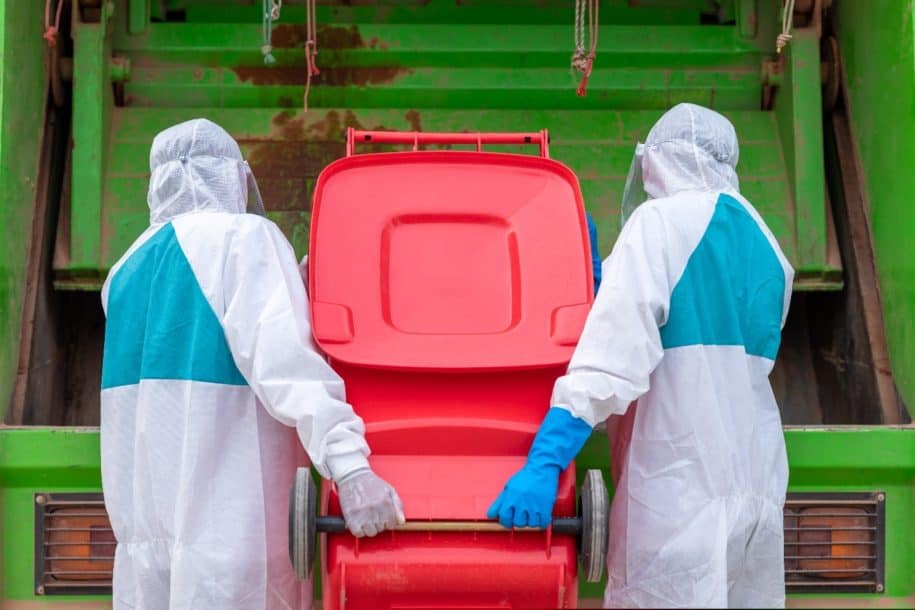
Medical facilities produce a significant amount of hazardous waste, including sharps, contaminated materials, and pharmaceuticals. To minimize the environmental footprint, it is crucial to implement safe handling practices for medical waste disposal. Use designated containers, segregate different types of waste, and ensure proper labeling and storage. Partnering with a waste management service that specializes in medical waste disposal will ensure compliance and safe handling.
4. Pharmaceutical Waste Management: Preventing Contamination
Proper management of pharmaceutical waste is essential to prevent contamination of water bodies and ecosystems. Unused or expired medications should never be disposed of in the trash or flushed down the toilet. Instead, opt for pharmaceutical take-back programs offered by pharmacies or utilize mail-back services provided by waste management companies. These programs ensure proper disposal of pharmaceutical waste while minimizing the environmental impact.
5. Medical Waste Disposal and Compliance Services: Education and Training
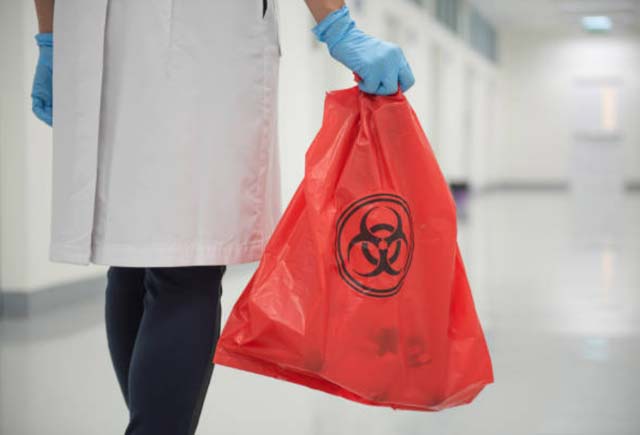
Education and training play a vital role in sustainable hazardous waste disposal. Healthcare facilities should invest in comprehensive training Pharmaceutical Waste Management programs for their staff to ensure they understand the importance of proper waste management practices. This includes educating employees about segregation, storage, labeling, and disposal procedures specific to different types of hazardous waste.
6. Sustainable Solutions for Hazardous Waste Disposal: Recycling and Reuse
To minimize the environmental footprint of hazardous waste disposal, explore opportunities for recycling and reuse whenever possible. Some hazardous materials can be recycled or repurposed instead of being disposed of in landfills or incinerated. Implementing recycling programs within your facility or partnering with organizations that specialize in hazardous waste recycling can significantly contribute to sustainability efforts.
Frequently Asked Questions (FAQs)
Q1: What is the best way to dispose of hazardous waste in New York? A1: The best way to dispose of hazardous waste in New York is by partnering with a reputable waste management service provider that specializes in environmentally friendly practices. It ensures proper collection, transportation, treatment, and disposal while complying with all regulatory standards.
Q2: How can healthcare facilities ensure safe handling of medical waste? A2: Healthcare facilities can ensure safe handling of medical waste by implementing designated containers, segregating different types of waste, and providing proper training to staff. Partnering with a waste management service that specializes in medical waste disposal also ensures compliance and safe handling.
Q3: What should I do with expired or unused medications? A3: Expired or unused medications should never be disposed of in the trash or flushed down the toilet. Instead, utilize pharmaceutical take-back programs offered by pharmacies or mail-back services provided by waste management companies. These programs ensure proper disposal of pharmaceutical waste while minimizing environmental impact.
Q4: How can education and training contribute to sustainable hazardous waste disposal? A4: Education and training are crucial in ensuring proper waste management practices. By investing in comprehensive training programs, healthcare facilities can educate their staff about segregation, storage, labeling, and disposal procedures specific to different types of hazardous waste.
Q5: Are there any opportunities for recycling or reusing hazardous materials? A5: Yes, some hazardous materials can be recycled or repurposed instead of being disposed of in landfills or incinerated. Implementing recycling programs within your facility or partnering with organizations that specialize in hazardous waste recycling can significantly contribute to sustainability efforts.
Q6: How does compliance with regulatory standards impact hazardous waste disposal? A6: Compliance with regulatory standards is essential as it ensures that hazardous waste is managed properly, minimizing its impact on the environment and public health. Failure to comply can result in legal consequences and harm to the ecosystem.
Conclusion
Sustainable solutions for hazardous waste disposal in New York are crucial for minimizing the environmental footprint and ensuring public health. By implementing best waste management practices, complying with regulations, ensuring safe handling of medical and pharmaceutical waste, investing in education and training, and exploring recycling opportunities, we can make significant progress towards a more sustainable future. Remember, choosing the right waste management service provider is key to achieving these goals and safeguarding our environment for generations to come.