Introduction
When it comes to emergency situations, every second counts. Lives are at stake, and the ability of emergency responders to act quickly and effectively can mean the difference between life and death. In a city as populous and diverse as Houston, it is crucial that emergency responders receive continuous training to uphold excellence in their roles. This article will explore the importance of continuous training for emergency responders in Houston, highlighting the various aspects of their work and the impact of ongoing education on their performance.
Upholding Excellence: The Role of Emergency Responders
Emergency responders in Houston play a vital role in ensuring public safety and well-being. Their primary objective is to provide immediate assistance to individuals facing critical situations such as accidents, medical emergencies, natural disasters, or any other unforeseen events that require immediate attention. These professionals are trained to assess situations quickly, make informed decisions, and take appropriate action to mitigate risks and save lives.

Emergency Medical Service in Houston
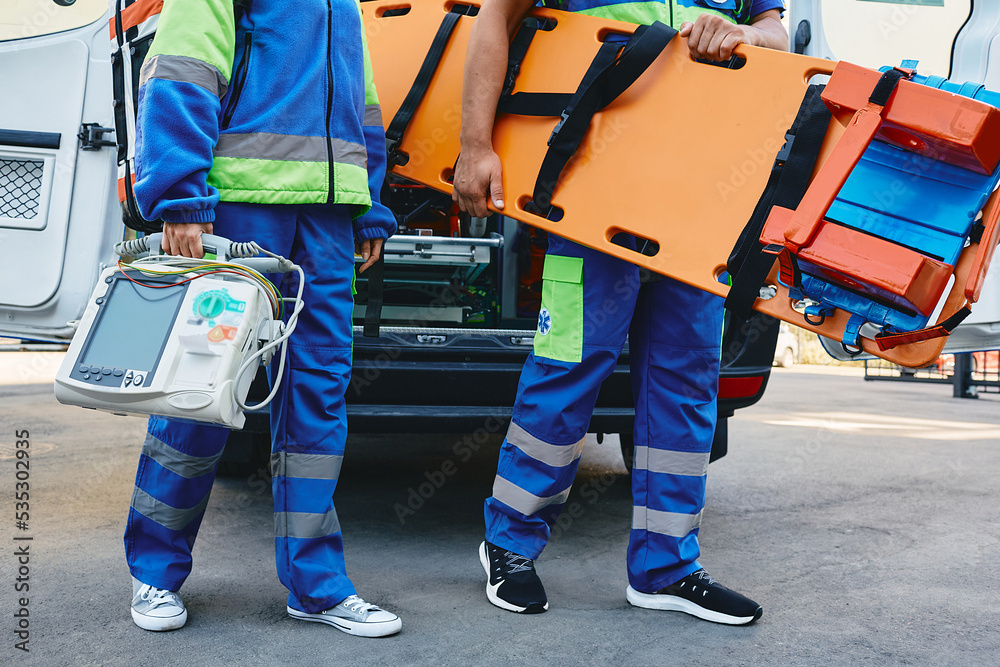
One of the crucial components of emergency response in Houston is the Emergency Medical Service (EMS). EMS providers are equipped with the skills and knowledge necessary to administer pre-hospital medical care. They respond to emergency calls promptly and provide essential medical assistance until the patient reaches a hospital or healthcare facility.
24-Hour Medical Response
Emergency responders in Houston are available round-the-clock to ensure swift responses to emergencies at any time of day or night. This 24-hour availability ensures that help is never far away when it is needed most.
Emergency Medical Volunteers
In addition to professional emergency responders, there are also dedicated volunteers who contribute their time and skills to support emergency response efforts. These selfless individuals undergo training to assist during emergencies, providing valuable aid alongside trained professionals.
Trained Emergency Response Teams
Houston boasts well-trained emergency response teams that specialize in various areas such as firefighting, search and rescue, hazardous materials response, and more. These teams undergo rigorous training to develop the necessary skills and expertise required to handle complex emergency situations effectively.
The Jewish Volunteer Medical Service
The Jewish Volunteer Medical Service (JVMS) is a prime example of the dedication and commitment of volunteers in Houston. This organization provides medical assistance during emergencies, ensuring that those in need receive prompt care and attention.
Emergency Medical Technicians (EMTs)
Emergency Medical Technicians (EMTs) are an integral part of the emergency response system in Houston. They are trained to provide immediate medical care at the scene of an incident, stabilize patients, and transport them safely to medical facilities for further treatment.
Volunteer Rescue Services in Houston
Volunteer rescue services play a crucial role in emergency response efforts in Houston. These organizations consist of dedicated individuals who undergo extensive training to conduct search and rescue operations during natural disasters or other emergencies.
Houston First Aid Service
First aid is often the first line of defense during emergencies. In Houston, there are various organizations that provide first aid services, ensuring that initial medical assistance is administered promptly before professional responders arrive on the scene.
Free Medical Response Assistance in Houston
Houston also has programs in place that offer free medical response assistance to individuals who may not have access to healthcare services. These initiatives ensure that everyone receives the necessary help during emergencies, regardless of their financial situation.
Continuous Training: Elevating Emergency Response
Continuous training is essential for emergency responders in Houston to uphold excellence and continually improve their skills. Ongoing education allows them to stay updated with the latest techniques, technologies, and protocols relevant to their roles. Here are some key reasons why continuous training is crucial:
Keeping up with Evolving Best Practices
The field of emergency response is constantly evolving, with new best practices emerging regularly. Continuous training ensures that emergency responders stay current with these advancements, enabling them to deliver the best possible care and support in emergency situations.
Enhancing Technical Skills
Continuous training programs provide emergency responders with opportunities to enhance their technical skills. Whether it is learning new medical procedures, mastering advanced firefighting techniques, or improving search and rescue capabilities, ongoing education allows responders to refine their skills and perform their duties more effectively.
Improving Decision-Making Abilities
Emergency situations often require quick decision-making under immense pressure. Continuous training helps emergency responders develop critical thinking skills and enhances their ability to make informed decisions swiftly. This training instills confidence in responders, enabling them to act decisively when every moment counts.
Strengthening Teamwork and Collaboration
Effective emergency response relies on seamless teamwork and collaboration among responders. Continuous training programs often include scenarios that simulate real-life emergencies, allowing responders to practice working together as a cohesive unit. These exercises foster strong Emergency Medical Technician communication, coordination, and trust among team members, leading to better outcomes in actual emergencies.
Managing Stress and Emotional Well-being
Emergency response work can be incredibly demanding, both physically and mentally. Continuous training includes modules on stress management and emotional well-being, equipping responders with tools to cope with the challenges they may face in the field. This aspect of training ensures that emergency responders are able to provide optimal care while also taking care of their own mental health.
Adapting to Technological Advancements
Technology plays a significant role in modern emergency response systems. Continuous training enables emergency responders to stay abreast of the latest technological advancements and learn how to leverage these tools effectively in their work. From using state-of-the-art medical equipment to utilizing advanced communication devices, ongoing education ensures that responders can take full advantage of available technologies for improved outcomes.
Frequently Asked Questions (FAQs)
Q: What is the primary purpose of continuous training for emergency responders? A: The primary purpose of continuous training is to ensure that emergency responders maintain high levels of expertise and are equipped to handle diverse emergency situations effectively.
Q: How often do emergency responders in Houston undergo training? A: Training requirements vary depending on the specific roles and responsibilities of emergency responders. However, regular refresher courses and skill updates are typically conducted to ensure ongoing professional development.
Q: Are there any certification programs for emergency responders in Houston? A: Yes, there are various certification programs available for emergency responders in Houston. These certifications validate the skills and knowledge of responders and enhance their credibility in the field.
Q: Can continuous training improve response times during emergencies? A: Yes, continuous training helps emergency responders develop efficient workflows and protocols, leading to improved response times and better overall performance during emergencies.
Q: Are there any financial assistance programs available for aspiring emergency responders in Houston? A: Yes, there are some financial assistance programs available for individuals interested in pursuing a career as an emergency responder. These programs aim to make education and training more accessible to those with limited financial resources.
Q: What are some additional benefits of continuous training for emergency responders? A: In addition to enhancing technical skills and improving decision-making abilities, continuous training also promotes professional growth, builds resilience, and fosters a culture of excellence among emergency responders.
Conclusion
Upholding excellence in emergency response requires continuous training for the dedicated professionals serving the community in Houston. Through ongoing education, emergency responders can stay updated with best practices, refine their technical skills, enhance decision-making abilities, foster teamwork and collaboration, manage stress levels, adapt to technological advancements, and ultimately provide the highest level of care during critical situations. The importance of continuous training cannot be overstated when it comes to saving lives and ensuring public safety in Houston's diverse and dynamic environment.